Ever spotted those Instagram-worthy, squishy rice cakes flooding your social feeds? You’re probably wondering: is mochi healthy or just another trendy sugar bomb? This chewy Japanese delicacy has captured hearts worldwide, but its health implications remain murky. Let’s unpack the truth behind this ancient treat’s modern popularity.
What Exactly Is Mochi? Understanding the Basics
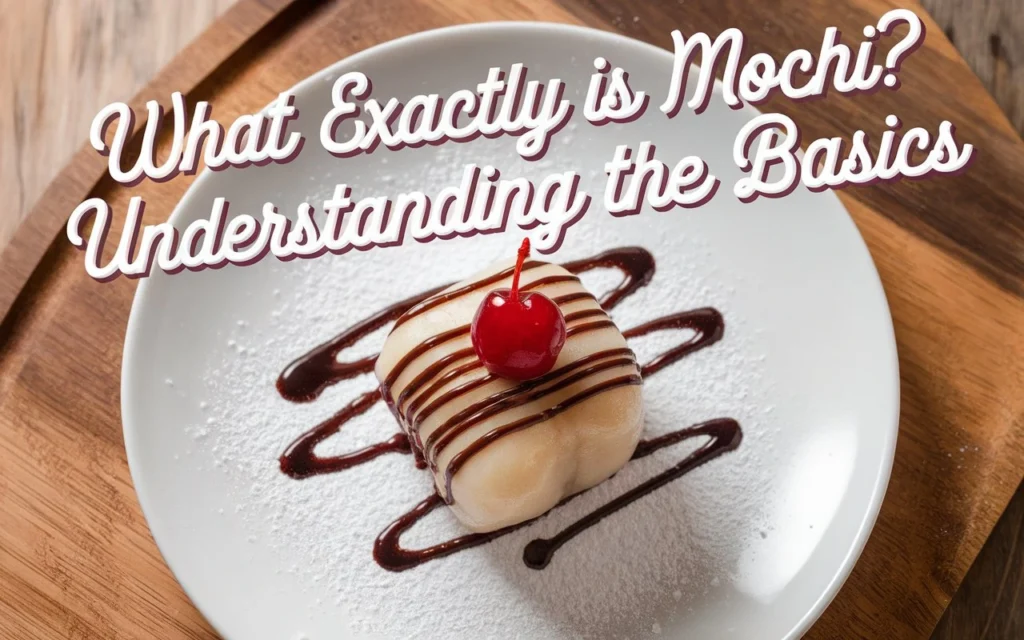
Glutinous rice transforms into mochi through centuries-old Japanese techniques. Despite its misleading name, this sticky rice contains zero gluten proteins. Traditional artisans steam sweet rice, then pound it into silky-smooth paste using wooden mallets.
The amylopectin-rich composition creates mochi’s signature bounce and chew. Ancient ceremonies featured these precious rice cakes as offerings to deities. Modern versions range from ice cream-stuffed varieties to traditional red bean paste fillings, each carrying distinct nutritional profiles.
The Nutritional Breakdown: Calories, Carbs, and More
Each standard mochi piece packs approximately 96 calories per serving. Your macro breakdown reveals 22 grams carbohydrates, minimal protein, and virtually no fat. The refined rice flour base delivers concentrated energy without substantial micronutrients.
Dietary fiber remains disappointingly low at under one gram per piece. This absence means rapid glucose absorption and potential blood sugar spikes. The mineral content includes traces of manganese and selenium, though you shouldn’t rely on mochi for essential nutrients.
Potential Health Benefits of Eating Mochi

1. Gluten-Free Alternative for Sensitive Individuals
Celiac sufferers rejoice! Glutinous rice naturally excludes troublesome gluten proteins despite confusing terminology. The Celiac Disease Foundation confirms rice-based products as safe alternatives. This makes mochi an accessible dessert for those managing gluten sensitivity or celiac disease.
2. Quick Energy Source for Active Lifestyles
Athletes appreciate mochi’s rapid carbohydrate delivery system. The simple sugars provide immediate fuel for high-intensity workouts or post-exercise recovery. Sports nutrition experts often recommend easily digestible carbs within specific training windows for optimal performance enhancement.
3. Digestive Comfort When Consumed Moderately
Traditional preparation methods yield easily digestible ingredients. Most people tolerate rice-based desserts better than complex, processed alternatives. The minimal additive profile reduces potential digestive irritation, making mochi gentler on sensitive stomachs than heavily processed sweets.
4. Cultural Mindfulness and Portion Awareness
Japanese food culture emphasizes quality over quantity consumption. This mindful approach naturally encourages smaller portions and greater appreciation. Conscious eating practices associated with traditional mochi consumption can promote healthier relationships with sweet treats.
Health Concerns You Should Know About

1. High Glycemic Impact and Blood Sugar Spikes
Here’s where is mochi healthy gets complicated. The high glycemic index creates rapid glucose elevation in bloodstream. Diabetics face significant challenges managing these swift sugar surges. The American Diabetes Association emphasizes careful monitoring of such high-impact carbohydrate sources.
2. Calorie Density and Weight Management Challenges
Those innocent-looking pieces deceive with concentrated calorie density. Filled varieties easily exceed 200 calories each, while addictive texture encourages overconsumption. Weight management becomes challenging when portion control fails, especially given mochi’s minimal satiety factors and quick digestion.
3. Choking Hazard Due to Sticky Texture
The signature chewiness creates legitimate safety concerns. Annual choking incidents occur, particularly affecting elderly individuals and young children. The FDA Food Safety Guidelines recommend thorough chewing and small bites when consuming sticky foods like mochi.
Mochi vs. Other Desserts: How Does It Compare?
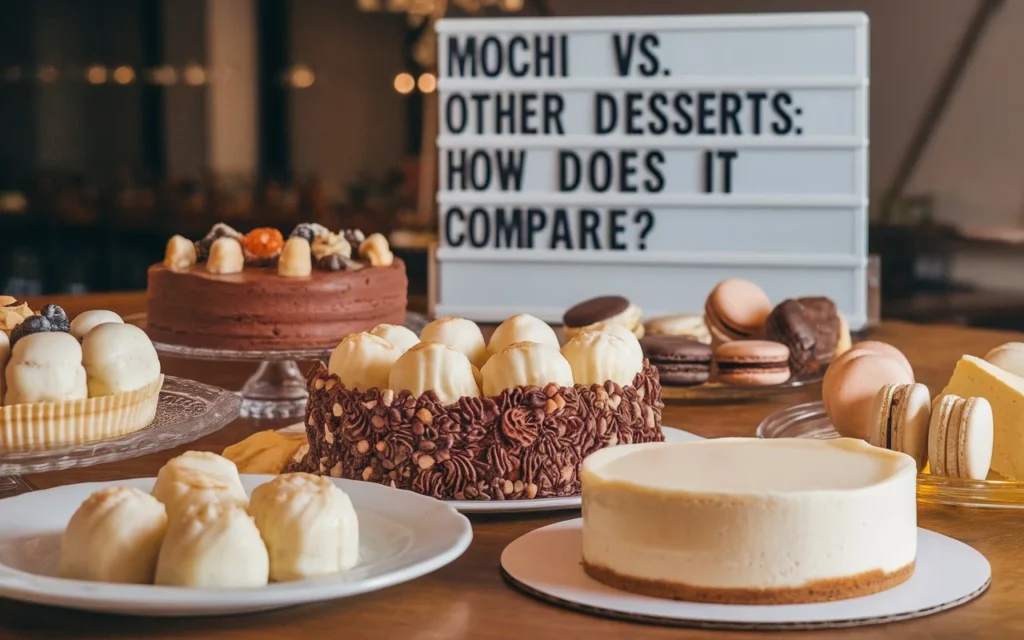
Traditional mochi contains fewer artificial additives than processed American confections. Ingredient simplicity gives authentic versions advantages over chemical-laden alternatives. However, commercial varieties often include stabilizers and preservatives that diminish these benefits significantly.
Calorie-wise, plain mochi frequently outperforms chocolate bars or pastries per serving. But this advantage evaporates with filled varieties or multiple-piece consumption. Nutritional density remains poor compared to nut-based treats or yogurt desserts that provide lasting satisfaction and beneficial nutrients.
Healthy Ways to Enjoy Mochi in Your Diet
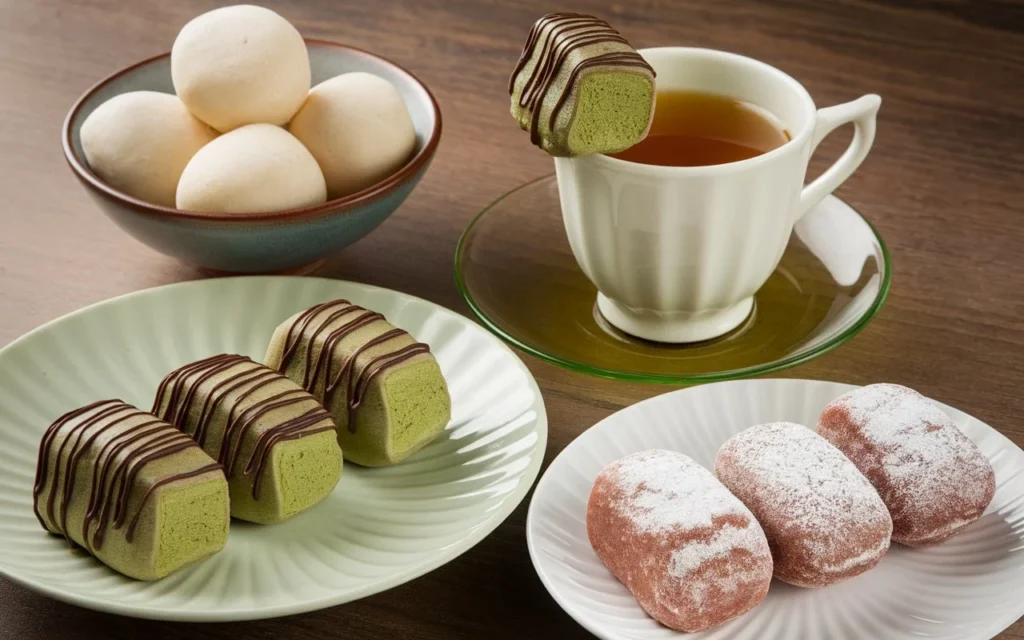
Strategic timing maximizes mochi’s benefits while minimizing drawbacks. Consume around workout sessions when muscles efficiently utilize quick carbohydrates. Post-exercise consumption helps replenish glycogen stores effectively, especially when paired with quality protein sources for enhanced recovery.
Portion control becomes essential for healthy integration. Limit servings to 1-2 pieces maximum, eating slowly to appreciate unique textures. Pre-portioning prevents mindless overconsumption from larger packages. The Mayo Clinic emphasizes balanced macronutrient combinations for stable energy levels throughout the day.
The Bottom Line: Should You Add Mochi to Your Menu?
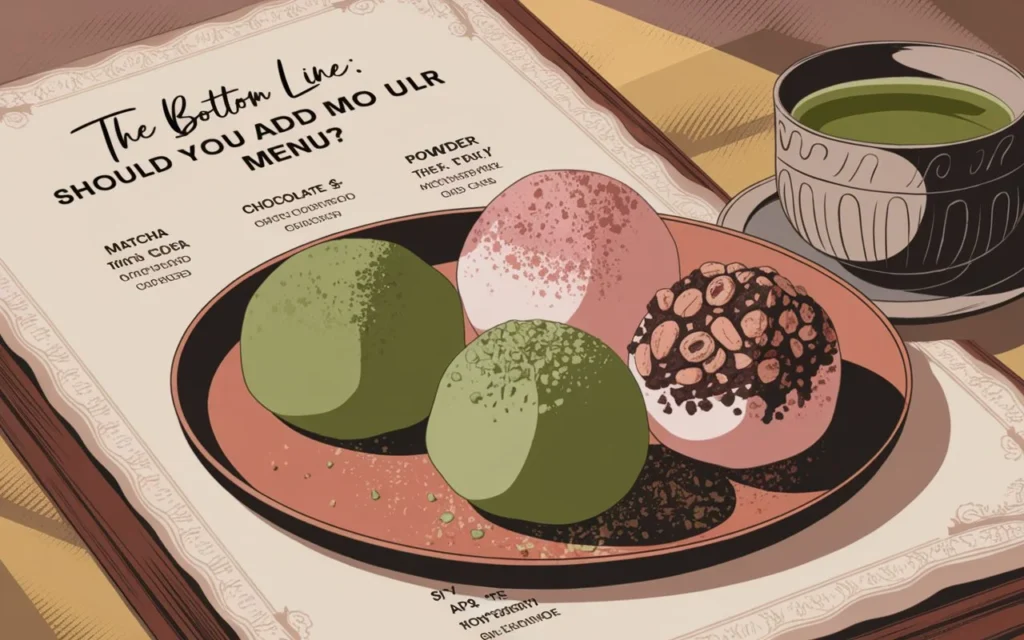
Is mochi healthy? The answer depends entirely on context and consumption patterns. This traditional treat occupies middle ground between health food and junk food categories. Mindful enjoyment in appropriate portions allows most people to include mochi within balanced dietary frameworks.
Diabetics, active weight-loss participants, and binge-eating histories require extra caution. Is mochi healthy for diabetics? The rapid glucose absorption makes blood sugar management extremely challenging. Is mochi healthy for cholesterol? Plain varieties don’t directly impact cholesterol levels, though excessive consumption may contribute to weight gain affecting overall cardiovascular health. For comprehensive guidance, consult resources like the Academy of Nutrition and Dietetics for personalized dietary advice tailored to individual health goals and restrictions.
Frequently Asked Questions About Mochi Health
Is mochi good or bad for you?
Mochi isn’t inherently good or bad – it’s a moderate-calorie treat that can fit into balanced diets when consumed mindfully. The answer depends on your health goals, portion control, and overall dietary patterns.
Is mochi healthier than ice cream?
Plain mochi typically contains less fat and fewer calories than premium ice cream, but both are high in sugar and should be enjoyed in moderation. Mochi ice cream combines both ingredients, increasing overall calorie density.
Is mochi good for a diet?
Traditional mochi can occasionally fit into weight management plans when portion-controlled and timed strategically. However, its high glycemic index and minimal satiety make it challenging for consistent diet adherence.
Is mochi good for the gut?
Plain mochi is generally gentle on digestive systems due to simple ingredients and minimal additives. However, it lacks beneficial fiber and probiotics that actively support gut health.
Is mochi good for weight loss?
Mochi’s high carbohydrate content and rapid glucose absorption typically don’t support weight loss goals. The minimal protein and fiber content fail to provide lasting satiety, potentially leading to increased hunger.
Is mochi ice cream healthy?
Commercial mochi ice cream combines high carbohydrates with added fats and sugars, creating calorie-dense treats. While not “healthy,” they can be enjoyed occasionally as part of balanced eating patterns.
What is mochi made of?
Traditional mochi contains glutinous rice, water, sugar, and sometimes cornstarch. Modern varieties may include additional fillings like red bean paste, ice cream, or fruit, which alter the nutritional profile.
Is mochi healthy for diabetics?
Mochi’s high glycemic index creates rapid blood sugar elevation, making it challenging for diabetic management. People with diabetes should consume mochi rarely and monitor glucose responses carefully.
Is mochi vegan?
Plain mochi is typically vegan, containing only rice, water, and sugar. However, filled varieties may contain dairy, eggs, or other animal products, so checking ingredients remains important.
Is mochi high in sugar?
Plain mochi contains natural sugars from rice, while filled varieties significantly increase sugar content. Sweet fillings and coatings can double or triple the total sugar per serving.
Is red bean mochi healthy?
Red bean filling adds protein, fiber, and minerals compared to plain mochi, improving overall nutritional density. However, it also increases calories and sugar content significantly.